Queensland dive centres
Australia's largest tropical dive-tourism market, plus a substantial resident diving population around Brisbane and the Gold Coast.
Queensland has Australia's largest tropical dive-tourism market, but it should not be treated as one single diving destination. The state spans roughly 2,000 kilometres of coastline and the diving at either end has almost nothing in common.
Diving from Cairns is different from diving the SS Yongala. Wolf Rock is different from an introductory Great Barrier Reef dive. A Brisbane-based local diver has completely different needs from an international traveller booking a three-day liveaboard.
That variation is why this section is organised by region rather than presented as a single state-wide list. The useful comparison is almost never "which Queensland dive centre is best" — it is "which type of Queensland operation matches the trip I actually want".
Broadly, Queensland contains two different markets running in parallel. North of about Bundaberg, most businesses exist to move visitors onto the Great Barrier Reef, and their products are trips and certifications. From the Sunshine Coast south, the market looks more like the rest of urban Australia: training, retail, servicing, cylinder testing, gas fills and club diving for people who live there.
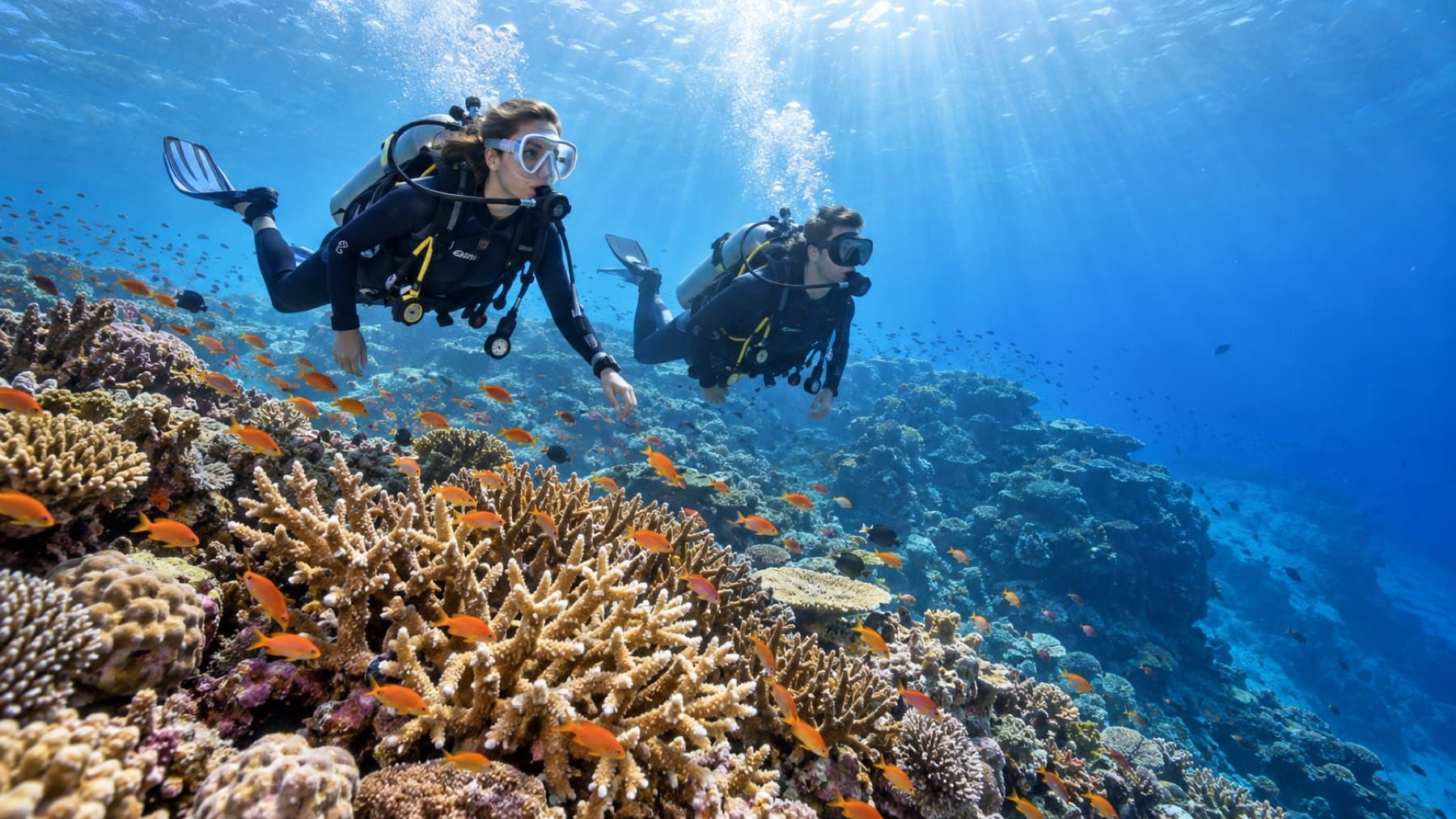
Queensland is organised by region because conditions, marine life and the kind of business that survives locally vary enormously within the state.
CairnsAustralia's busiest reef-access port, with the widest choice of day boats, liveaboards and certification courses.Port DouglasA quieter northern alternative to Cairns, with access to Agincourt and outer ribbon reef systems.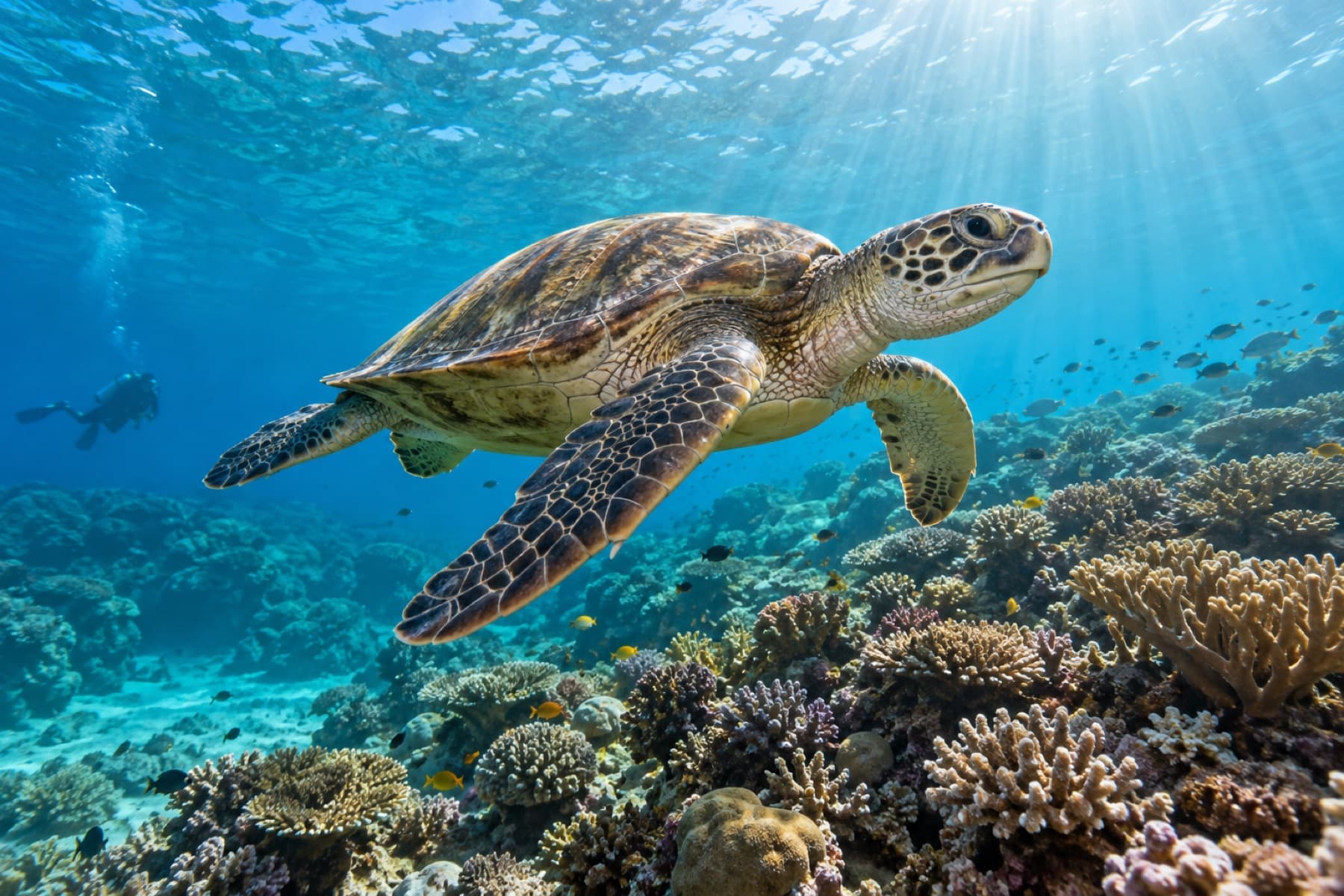 Townsville, Ayr & the SS YongalaAccess to the SS Yongala — arguably Australia's single most significant wreck dive.Magnetic IslandAccessible fringing-reef and wreck diving a short ferry ride from Townsville.WhitsundaysSailing, snorkelling, resort tourism and diving share the same market — which makes filtering essential.Bundaberg & Southern Great Barrier ReefCoral cays and island resorts — Lady Elliot, Lady Musgrave and Heron Island.Sunshine CoastLocal reef diving plus the ex-HMAS Brisbane, one of Australia's best-known artificial wrecks.Rainbow Beach & Wolf RockA single-site destination — Wolf Rock is a demanding offshore pinnacle known for grey nurse sharks.Brisbane & Moreton BayQueensland's largest resident diving market — training, retail, servicing, gas and club diving.North Stradbroke IslandSeasonal big-animal diving at Flat Rock and Shag Rock, with accommodation-based operations on the island.Gold CoastA mixed market of training, retail, spearfishing and offshore diving including the Scottish Prince.
- Great Barrier Reef day boats and liveaboards
- Coral reef and coral cay diving
- Significant wreck diving, including the SS Yongala
- Shark diving at Wolf Rock and Moreton Bay sites
- Resort-based diving on island destinations
- High-volume recreational course market
- Professional and internship training
- Urban club diving, retail and servicing in the southeast
- Technical training, concentrated around Brisbane
| Water temperature | Roughly 22–29°C in the tropical north, cooling to about 19–26°C in the southeast. |
|---|---|
| Visibility | Outer reef sites commonly 15–30 m and occasionally more; inshore and harbour sites considerably less and strongly weather-dependent. |
| Season | Diveable year-round. Stinger season broadly runs November to May in tropical waters and suits are standard. Winter often brings the most settled visibility in the southeast. |
| Regions documented | 11 |
| Businesses documented | 47 |
| Dive sites documented | 22 |
Reef quality, travel time and crowding vary enormously between access points. An outer-reef site reached after ninety minutes of steaming is a different experience from a sheltered inner reef half an hour from the marina.
Comparing operators therefore means comparing the specific reef locations they visit, how long they spend there, and how many divers are in the water at once — not simply the vessel photographs.
Queensland certifies a very large number of entry-level divers each year, largely because a student can combine training with reef diving. That volume is not automatically a problem, but it makes class size, instructor-to-student ratio and the number of genuine open-water dives worth asking about specifically.
A diver certified entirely in 27°C water with a 3 mm suit has not yet learned the parts of diving that Victoria, Tasmania or southern Western Australia will demand.
Certification is the beginning of experience, not the end. A Queensland-trained diver moving south will usually need an orientation rather than simply a thicker suit.
- thicker exposure suits and hoods
- substantially more weight
- lower and more variable visibility
- colder water and shorter comfortable dive times
- surf and rock shore entries
- tidal planning
- different buoyancy characteristics through the dive
Equipment notes for Queensland
- A 3 mm full suit covers most tropical Queensland diving; a stinger suit or full-length skin is standard from November to May.
- Southeast Queensland divers commonly use 5 mm suits through winter.
- Nitrox is widely available on reef vessels and is worth considering for repetitive multi-day diving.
Every documented site in the state, with conditions, marine life and the operators known to service them.
Agincourt ReefAn outer ribbon reef system reached from Port Douglas, on the edge of the continental shelf.Bait ReefThe Whitsundays' best-known outer reef, home to the Stepping Stones coral formations.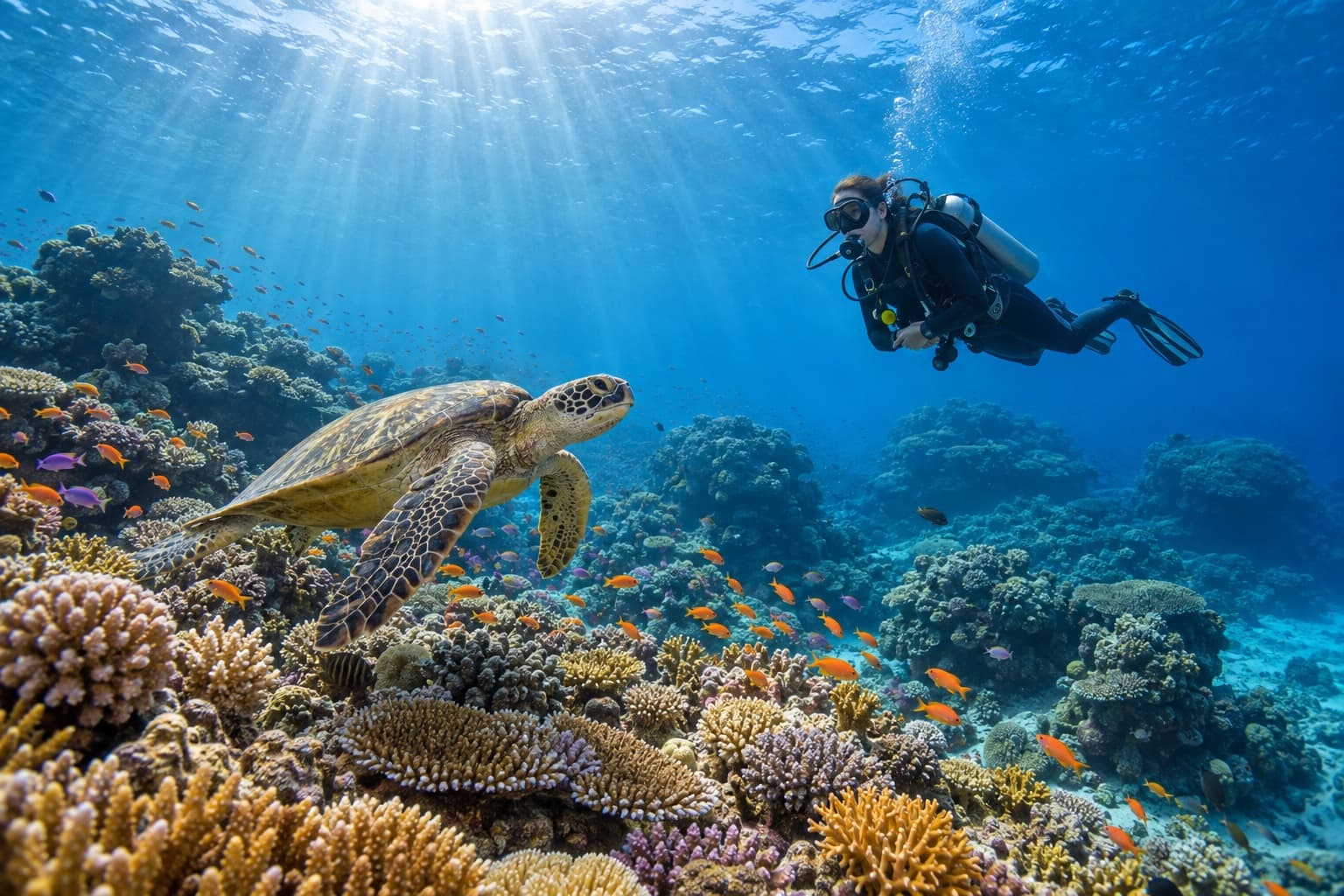 Cook IslandAn aquatic reserve off Tweed Heads with a resident turtle population and seasonal grey nurse sharks.
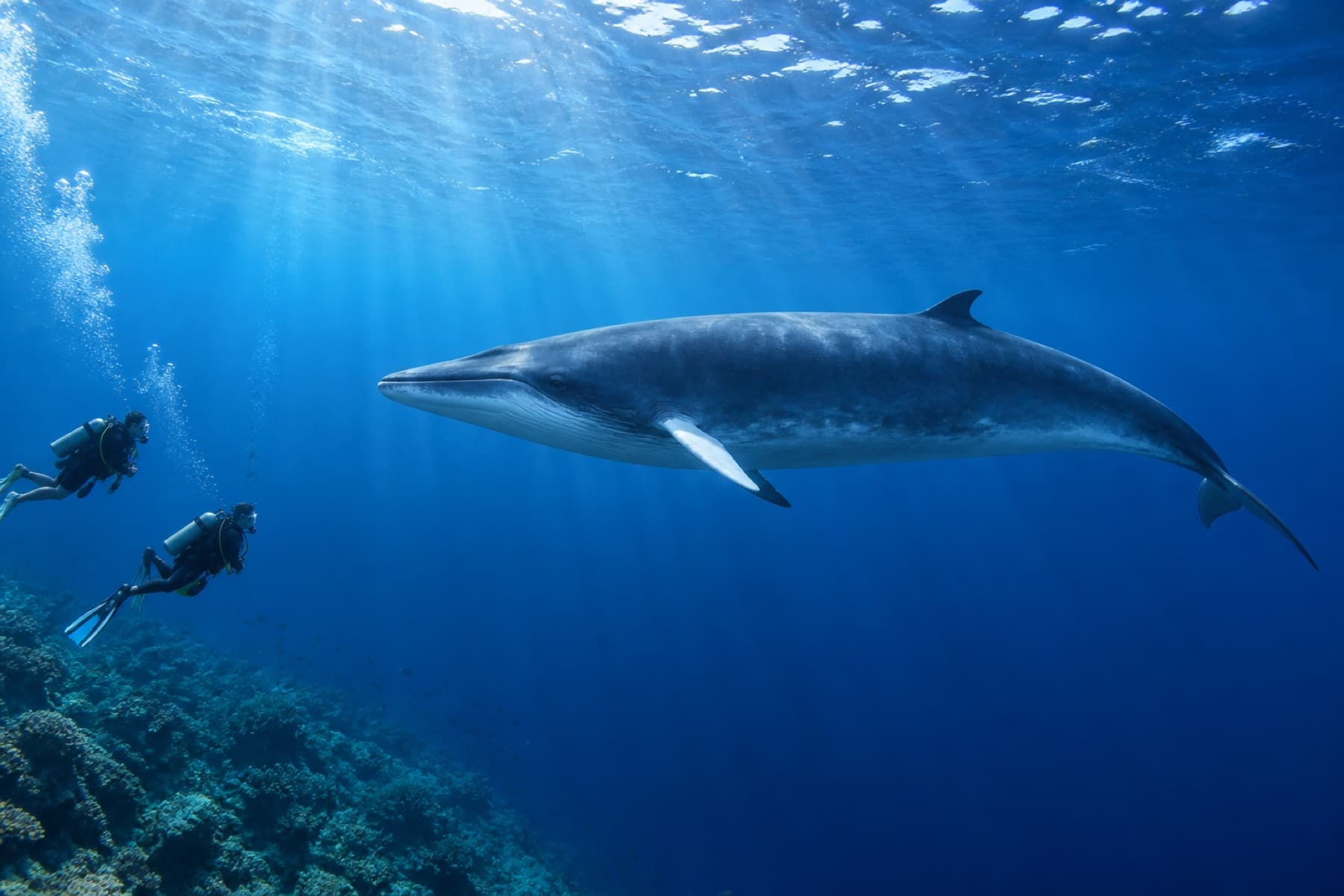 Coral Sea (Osprey and Bougainville Reefs)Isolated atolls beyond the Great Barrier Reef with vertical walls and exceptional clarity.
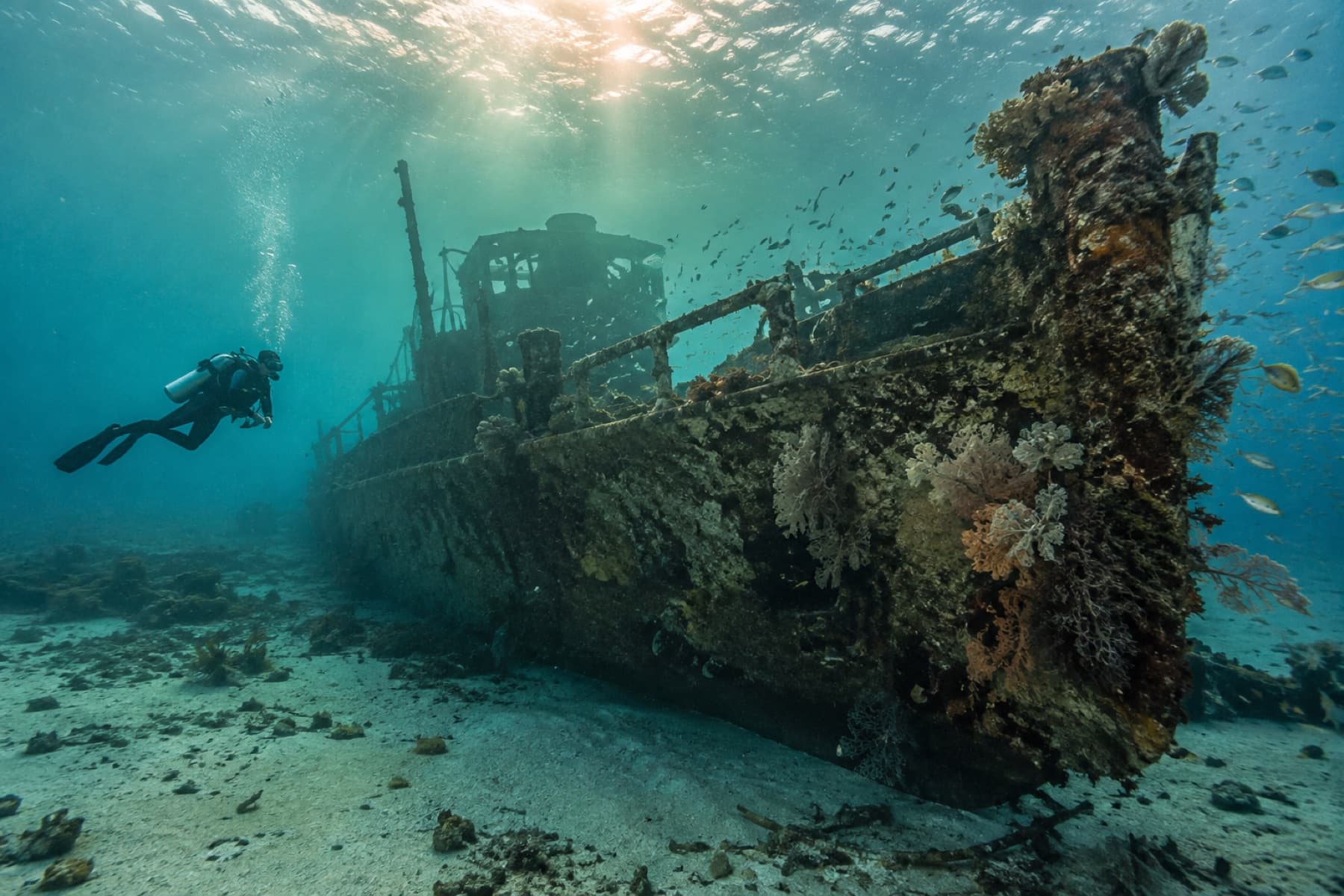 Curtin Artificial ReefA long-running artificial reef project in Moreton Bay, built from scuttled vessels and structures.
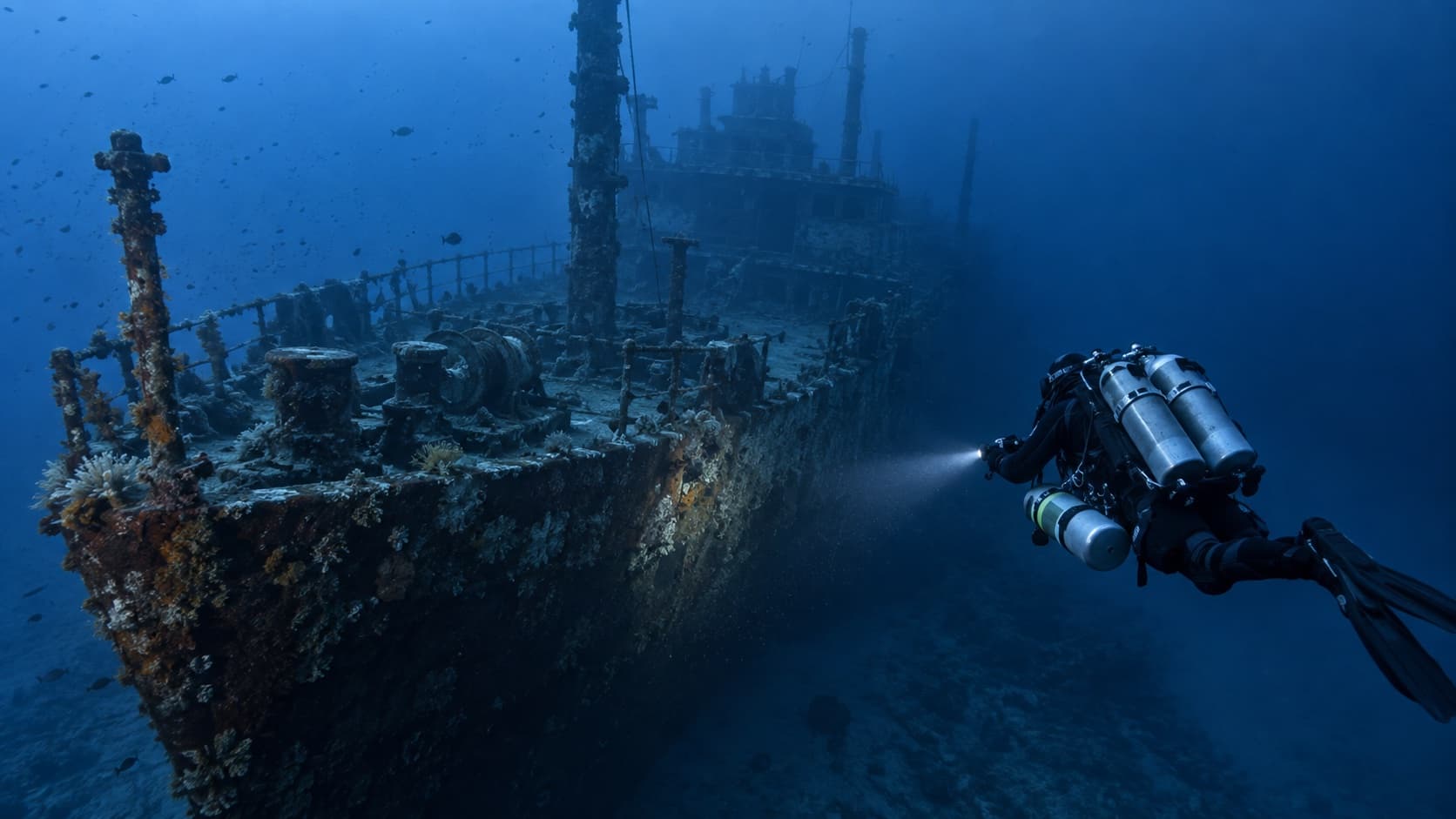 ex-HMAS BrisbaneA former guided missile destroyer scuttled off Mooloolaba and prepared specifically for divers.Flat RockSoutheast Queensland's premier big-animal site — grey nurse sharks, mantas and turtles.Flinders ReefThe highest coral diversity in Moreton Bay, on a rocky reef north of Moreton Island.Great Barrier Reef (Cairns Outer Reefs)The reef systems reached daily from Cairns — the most-dived section of the Great Barrier Reef.
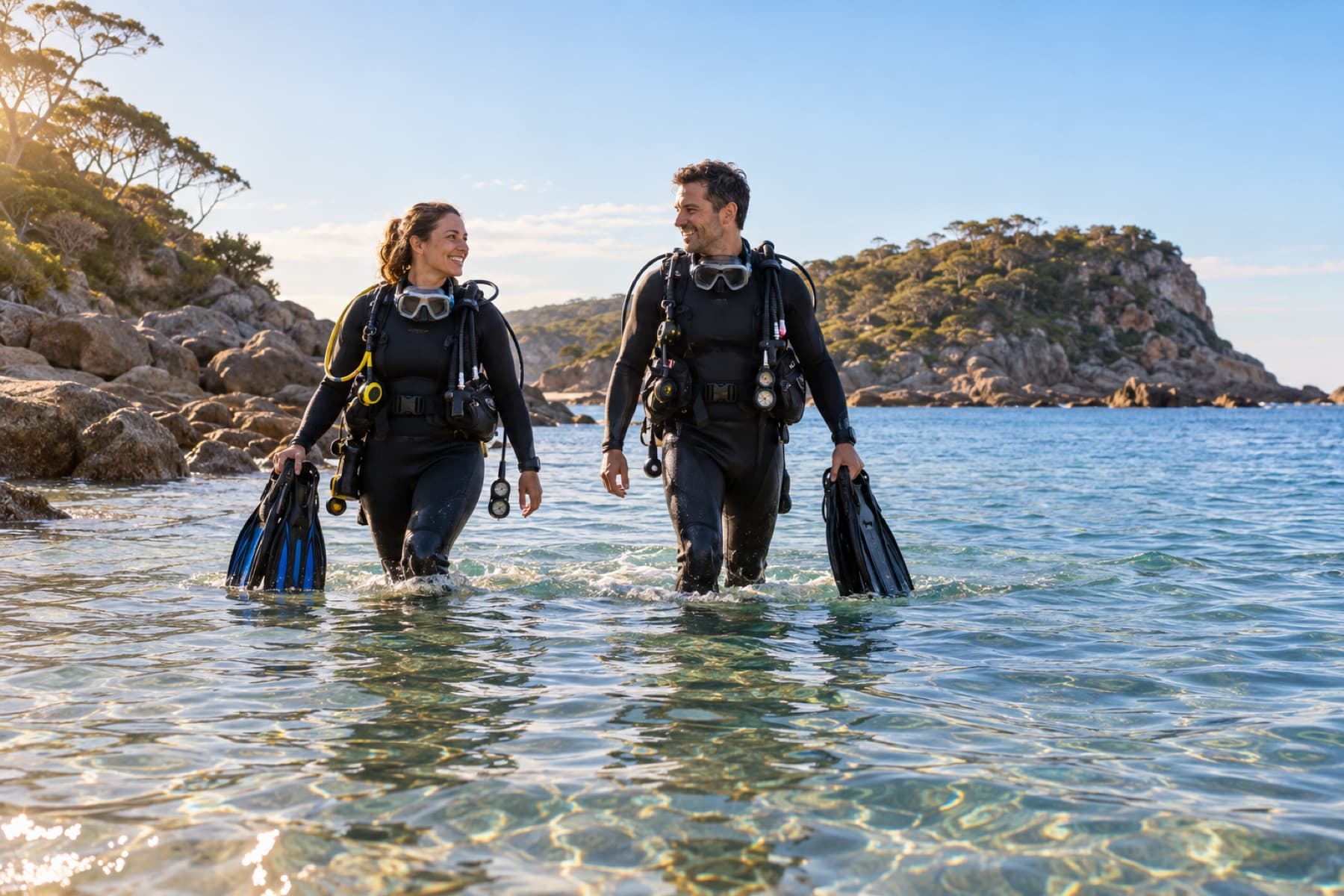 Heron IslandA research-station coral cay with the Heron Bommie a few minutes from the jetty.Lady Elliot IslandA coral cay at the reef's southern tip, with some of Australia's most reliable manta encounters.
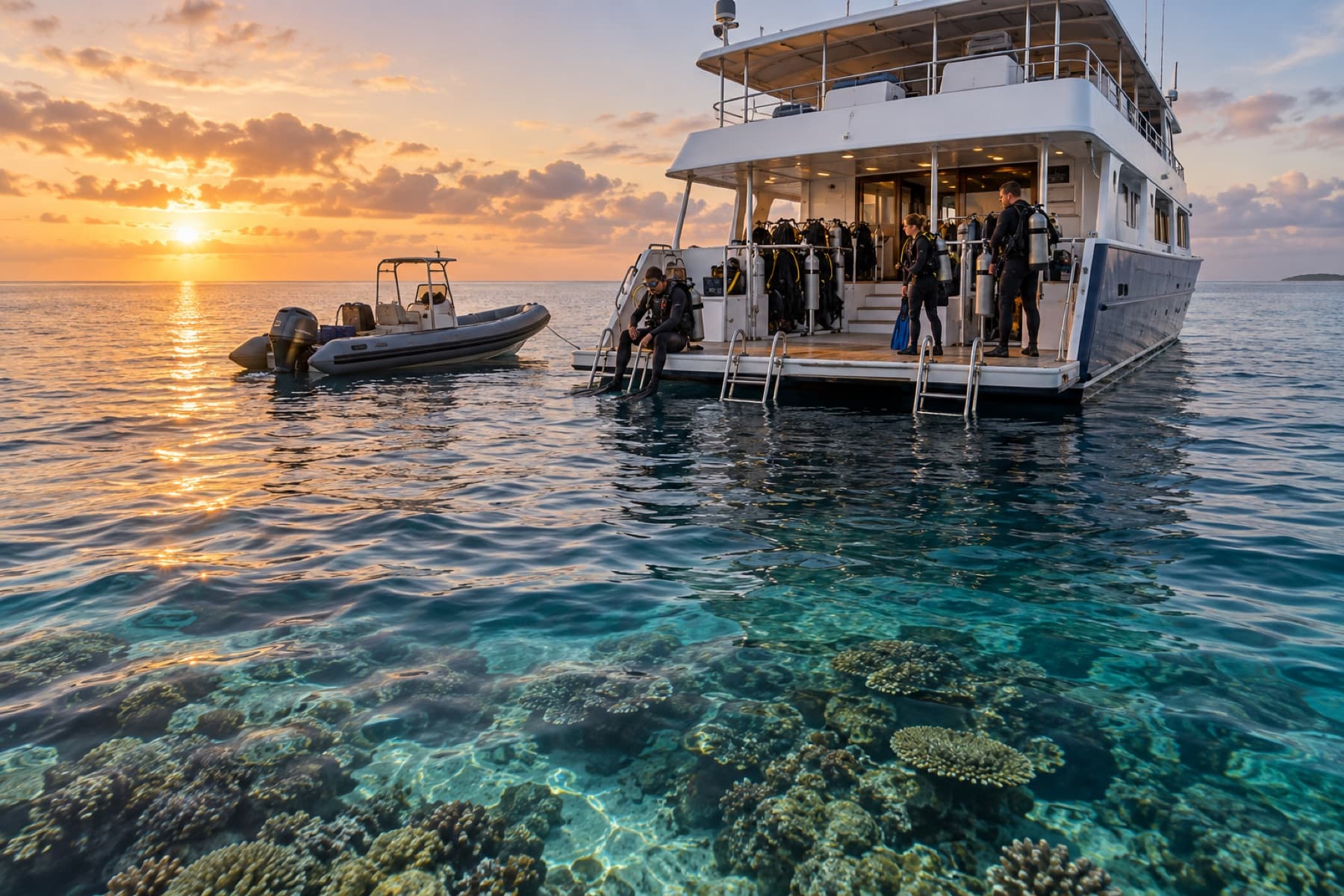 Lady Musgrave IslandA coral cay enclosing a navigable lagoon — sheltered diving with excellent clarity.
47 businesses, grouped by region. Each profile records what is verified, what is advertised and what still needs checking with the operator.
Cairns
- Pro Dive CairnsA long-established Cairns operation best known for multi-day liveaboard certification trips that combine Open Water training with outer Great Barrier Reef diving.
- Divers DenA Cairns operation running both day-boat and liveaboard products alongside a training business and retail presence.
- Dreamtime Dive & SnorkelA Cairns day-boat operation with an Indigenous cultural element alongside reef diving and snorkelling.
- Ocean Free & Ocean FreedomSmall-vessel Cairns day trips, positioned around lower passenger numbers than the large reef catamarans.
- Coral Sea DreamingA small-vessel overnight Cairns trip format, sitting between a day boat and a full liveaboard.
- Reef EncounterA Cairns-based liveaboard vessel offering multi-day reef stays with day-boat transfers.
- Ocean VoyagerA Cairns liveaboard operation running multi-day Great Barrier Reef itineraries.
- Passions of ParadiseA Cairns sailing catamaran day trip combining reef diving and snorkelling.
- Down Under Cruise & DiveA Cairns day-boat operator offering reef diving, snorkelling and introductory diving.
- Mike Ball Dive ExpeditionsA long-running expedition liveaboard operation associated with Ribbon Reefs and Coral Sea itineraries, including minke whale season trips.
- Spirit of FreedomAn expedition liveaboard associated with Ribbon Reefs, Osprey Reef and Coral Sea itineraries.
- SCUBABO CairnsA Cairns training operation. Current course range and agency affiliation require verification.
Port Douglas
- Blue Dive Port DouglasA Port Douglas operation focused on small-group training and guided diving on the northern Great Barrier Reef.
- Quicksilver ConnectionsA large-scale Port Douglas reef tourism operation with pontoon-based access to Agincourt Reef, offering diving alongside snorkelling and other reef activities.
Whitsundays
- Airlie Beach Dive CentreAn Airlie Beach operation providing training and certified diving in the Whitsundays.
- Reef Safari DivingA Whitsundays operation providing diving in conjunction with sailing and reef tour products.
- Whitsunday ExpeditionsA Whitsundays multi-day trip operator. The proportion of scuba diving within its products requires verification.
- Whitsunday Dive AdventuresA Whitsundays diving operation offering trips and training.
- Whitsunday Diving AcademyA Whitsundays training-focused operation. Course range and agency affiliation require verification.
- Wings Diving AdventuresA Whitsundays sailing and diving operation combining marine tours with in-water activities.
- OceanSense Freediving Airlie BeachA freediving-focused operation at Airlie Beach. This is a different discipline from scuba and should not be grouped with scuba training centres.
Bundaberg & Southern Great Barrier Reef
- Lady Elliot Island Eco ResortA coral cay resort at the southern tip of the Great Barrier Reef, strongly associated with manta ray encounters and accessed by light aircraft.
- Lady Musgrave ExperienceA Bundaberg-based operation providing day and overnight access to Lady Musgrave Island and its lagoon.
- Bundaberg Aqua ScubaA Bundaberg-based training and equipment business serving the local diving community and southern reef access.
- 1770 ReefAn operation running trips from the Town of 1770 to Lady Musgrave Island and the southern Great Barrier Reef.
- Heron Island ResortA coral cay resort on the southern Great Barrier Reef with an on-island dive operation and sites a short boat ride from the jetty.
Brisbane & Moreton Bay
- Brisbane ScubaA Brisbane training and service business supporting the local resident diving population.
- Brisbane Dive AcademyA Brisbane training operation focused on recreational certification and continuing education.
- Go Dive BrisbaneA Brisbane business combining training, equipment retail and service support for local divers.
- Dive Dive DiveA long-standing Brisbane business associated with technical training alongside recreational courses, retail and servicing. Technical capability should be audited service by service rather than assumed.
- ADRENO BrisbaneA large equipment retailer with a strong spearfishing and freediving emphasis alongside scuba equipment. This is primarily a retail business rather than a training centre.
- DiversWorldA Queensland equipment and service business. Current retail range, servicing capability and any training should be verified directly.
- Tangalooma Island ResortA Moreton Island resort with diving and snorkelling access to the Tangalooma wrecks, a shallow, sheltered artificial reef system.
Gold Coast
- Gold Coast Dive CentreA Gold Coast training and service business serving local divers and visitors.
- Gold Coast Dive AdventuresA Gold Coast operation focused on guided local diving and charter access to offshore sites.
- Queensland Scuba Dive CompanyA Gold Coast scuba operation. Current course range, agency and charter access require verification.
- ADRENO Gold CoastAn equipment retailer with a spearfishing and freediving emphasis. Primarily retail rather than a training centre.
- Dive Warehouse Gold CoastA Gold Coast equipment retailer. Whether training and servicing are offered in-house requires verification.
- Neptune Spear & DiveA spearfishing-oriented business on the Gold Coast. Spearfishing and freediving businesses serve a different customer from conventional scuba centres.
Frequently asked questions
Is Cairns the best place to dive the Great Barrier Reef?
Cairns has the largest concentration of reef operators and the widest choice of trip formats, which makes it the easiest place to book. It is not automatically the best reef. Port Douglas, the Whitsundays, Townsville and the southern Great Barrier Reef reach different reef systems with different densities of visitors.
Can beginners dive the SS Yongala?
Operator requirements vary and should be checked directly. Depth, current and the exposed offshore setting mean a newly certified diver should discuss their actual experience with the operator rather than relying on certification level alone.
Is Wolf Rock suitable for beginners?
It is generally better approached as an advanced destination. Depth, current, negative entries and offshore conditions can make the diving demanding regardless of what a certification card permits.
Do Queensland dive centres sell equipment?
Many metropolitan and regional centres do, particularly around Brisbane and the Gold Coast. Tourist-facing reef operators more often concentrate on trips and rental equipment, so retail and servicing should be checked per business.
Is technical diving available in Queensland?
Yes, but capability varies considerably and is concentrated in the southeast. Technical course availability, helium and Trimix, and CCR support should each be verified separately rather than inferred from a centre describing itself as technical.
When is stinger season and does it affect diving?
Broadly November to May in tropical Queensland. Diving continues throughout; operators supply full-length stinger suits and the practical effect is mostly on what you wear rather than whether you dive.