Australian diving guide
How to Choose a Dive Centre
The most useful question is not which centre is best — it is which centre suits what you actually want to do.
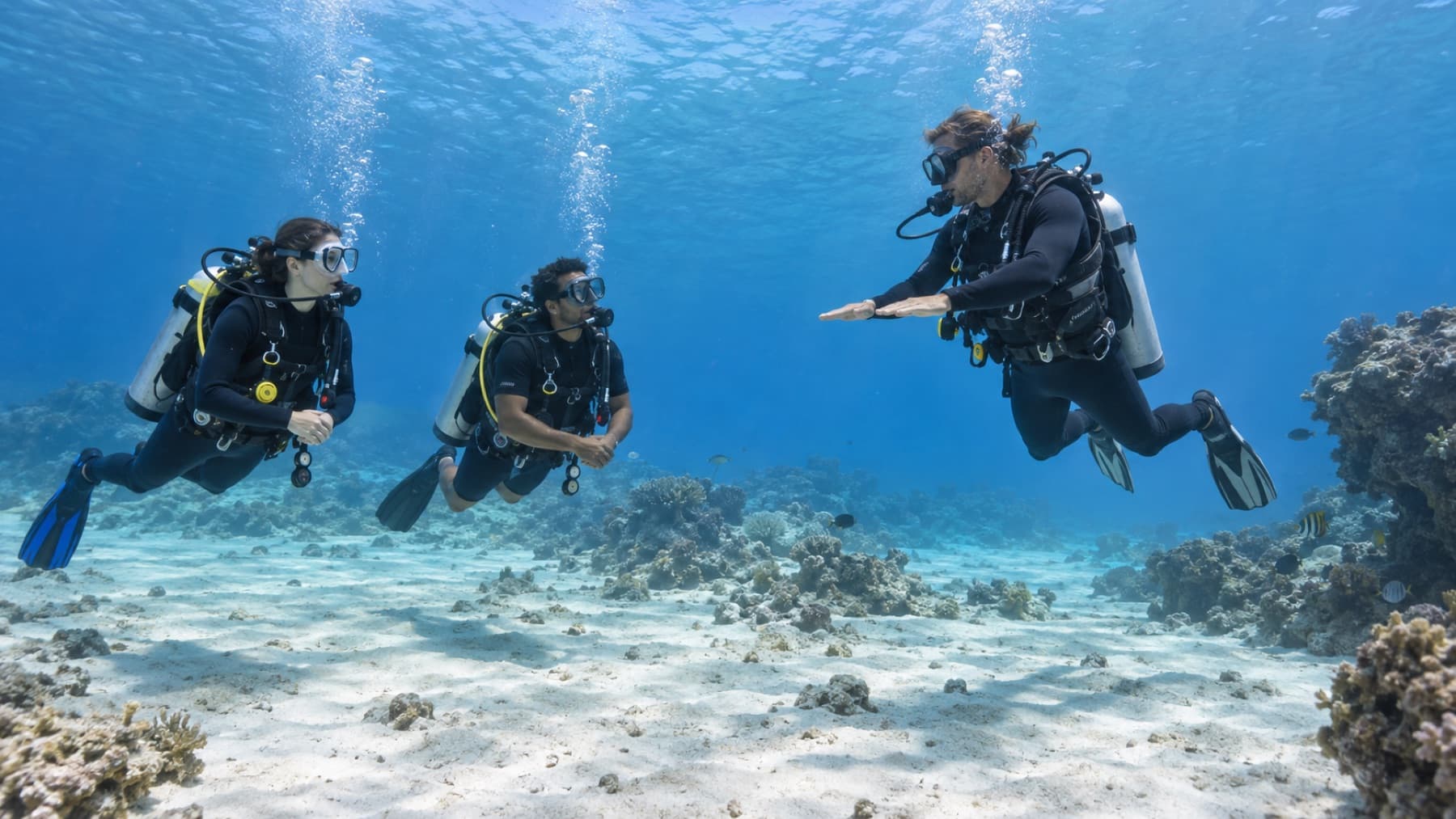
The most useful question is not what is the best dive centre? It is which dive centre is best suited to what I want to do?
Two dive centres carrying the same training-agency logo can offer completely different services. One may specialise in teaching first-time divers. Another may run offshore charter boats. Another may operate primarily as a large equipment retailer, or have a workshop and cylinder-testing facility, or support decompression diving, Trimix and closed-circuit rebreathers.
This guide covers what to actually evaluate, in roughly the order that matters.
The instructor matters more than the agency logo, the shop fit-out or the price. A good instructor in a modest facility produces better divers than a poor one in an impressive centre.
These questions are entirely reasonable to ask before booking, and the willingness to answer them is itself informative.
- how long they have taught
- how often they dive outside of work
- whether they regularly dive locally
- class size and student-to-instructor ratio in the water
- higher qualifications they hold
- technical experience, where that is relevant to you
Equipment does not need to be new. It does need to be maintained, and the difference is visible.
- regulators that breathe smoothly and do not free-flow
- BCDs that hold air and inflate and deflate cleanly
- cylinders within current test date
- gauges and computers that work and are readable
- suits that fit, with intact seals and zips
These questions are not paranoid. They are the ones an experienced diver asks quietly before a first trip with an unfamiliar operator.
- Is emergency oxygen carried?
- Are staff trained in oxygen administration?
- What communications are available from the vessel or site?
- Is there a written emergency action plan?
- How far is the site from emergency medical care?
- What is the procedure for a missing diver?
For charter diving, the vessel shapes the whole day — not just the diving but the several hours around it.
- passenger capacity versus how many are actually booked
- shade and shelter
- toilet facilities
- ladder design and ease of exit in swell
- equipment storage and cylinder security
- communications equipment
- emergency oxygen and first aid
- travel time to the dive sites
One review is anecdotal. Repeated themes are informative, and the patterns are more useful than the star rating.
Look for the same specific thing mentioned by multiple people over time.
- positive patterns: patient instructors, organised trips, good equipment, clear communication
- warning patterns: rushed courses, equipment problems, overcrowding, unclear charges, repeated safety concerns
What counts as a good dive centre depends entirely on what you are trying to do. These are the priorities that actually differ.
The things that matter are time, patience and comfort — not the destination.
- patient instructors
- sensible class sizes
- good confined-water training
- modern, maintained rental equipment
- clear pricing with no surprises
- a realistic training schedule with room to repeat a session
You need a business that keeps you diving all year, not one that runs a good holiday.
- regular scheduled dives
- an active dive club
- convenient air and Nitrox fills
- in-house equipment servicing
- equipment rental for gear you do not own
- genuine local knowledge of conditions
Access and reliability matter more than the shop.
- access to the dive sites you came for
- reliable, well-equipped boats
- equipment rental in your size
- guiding where you want it
- transfers and logistics
- straightforward booking and clear cancellation terms
The variable is how much real teaching involvement you will get.
- a structured Divemaster programme
- instructor development pathways
- active course volume, so there are real students to assist
- genuine professional mentoring
- real teaching opportunities rather than observation
Every capability is a separate question with a separate answer.
- instructor experience and their own qualifications
- the exact agency and course level
- gas availability — oxygen, helium, Trimix
- equipment configuration support
- cylinders and stage hire
- decompression gas handling and oxygen cleaning
- access to local technical sites
- CCR support and which units, where relevant
Frequently asked questions
Does the training agency matter?
Less than most people expect. The major agencies' recreational certifications meet comparable standards and are mutually recognised. The instructor and the facility matter considerably more.
Is a more expensive course better?
Not automatically. Price often reflects group size, equipment quality and the number of dives included — so ask what the difference actually buys rather than assuming either way.
Should I book before I arrive?
For popular destinations and peak season, yes. It also gives you time to ask the questions above rather than deciding at a counter.