Scuba courses and certification
What each qualification actually teaches, what it permits, what it is called by different agencies, and where in Australia it genuinely changes what you can dive.
Scuba certification is not simply permission to breathe underwater. A good course teaches a diver to control buoyancy, manage equipment, understand pressure, communicate with a buddy and solve basic underwater problems without panic.
Training agencies establish standards, materials and certification pathways. They are not interchangeable with an Australian government occupational-diving licence, and the agency logo tells you considerably less than the instructor does.
Every course page here sets out what the qualification teaches, its prerequisites, the equivalent names across agencies, the natural next steps, and the specific Australian sites where holding it makes a practical difference.
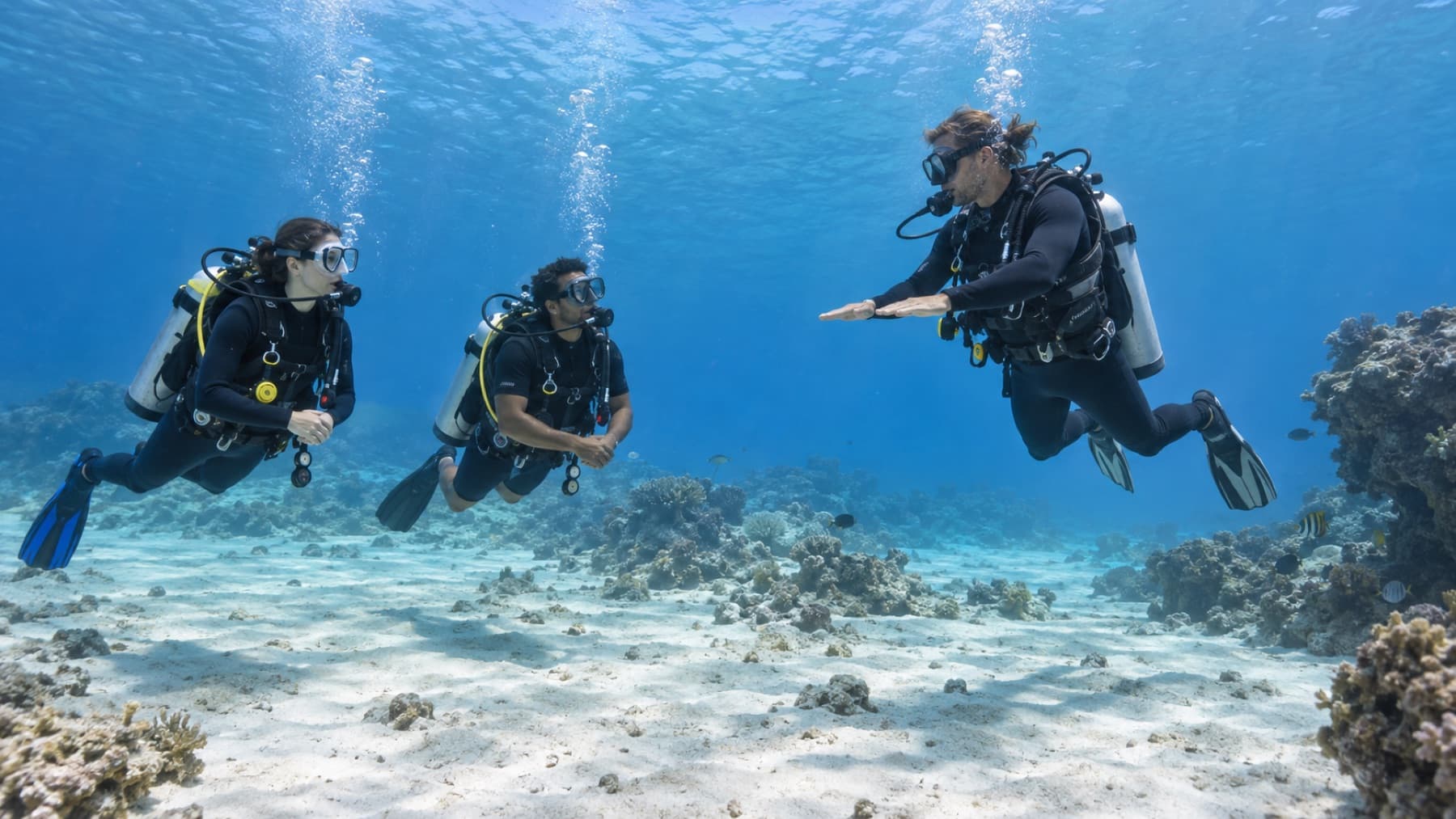
The core pathway most divers follow, from first breath underwater through to Rescue Diver and the specialties that matter in Australian conditions.
Learning to DiveWhat entry-level scuba training actually involves, and how to judge a course before you book it.Open Water DiverThe entry-level certification that allows independent recreational diving to around 18 metres.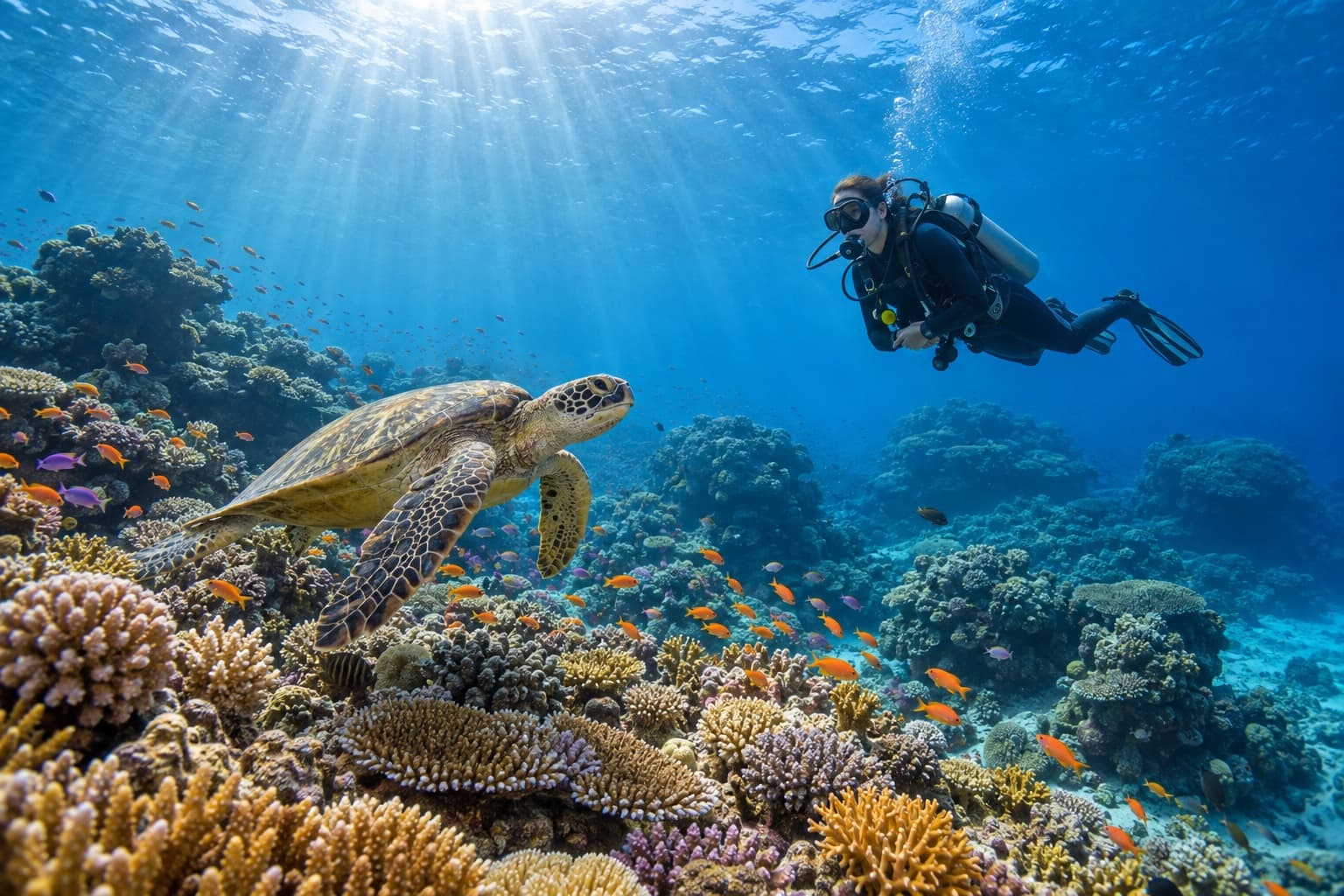 Peak Performance BuoyancyThe short course with the biggest effect on how good a diver you actually are.Advanced Open Water DiverFive guided specialty dives that extend depth to 30 metres and introduce navigation and other skills.
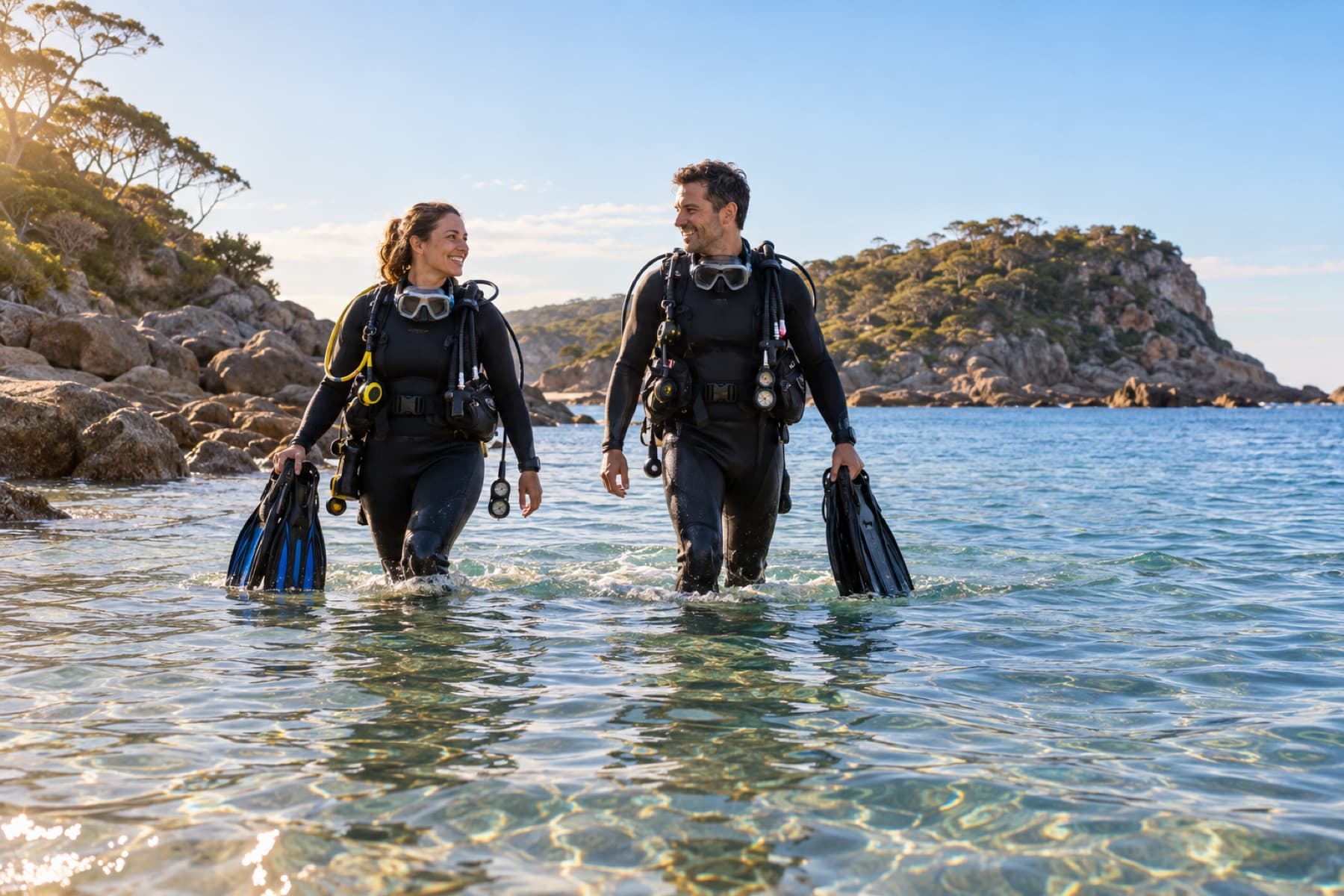 Enriched Air NitroxDiving with elevated oxygen to extend no-decompression limits — the most commonly taken specialty.
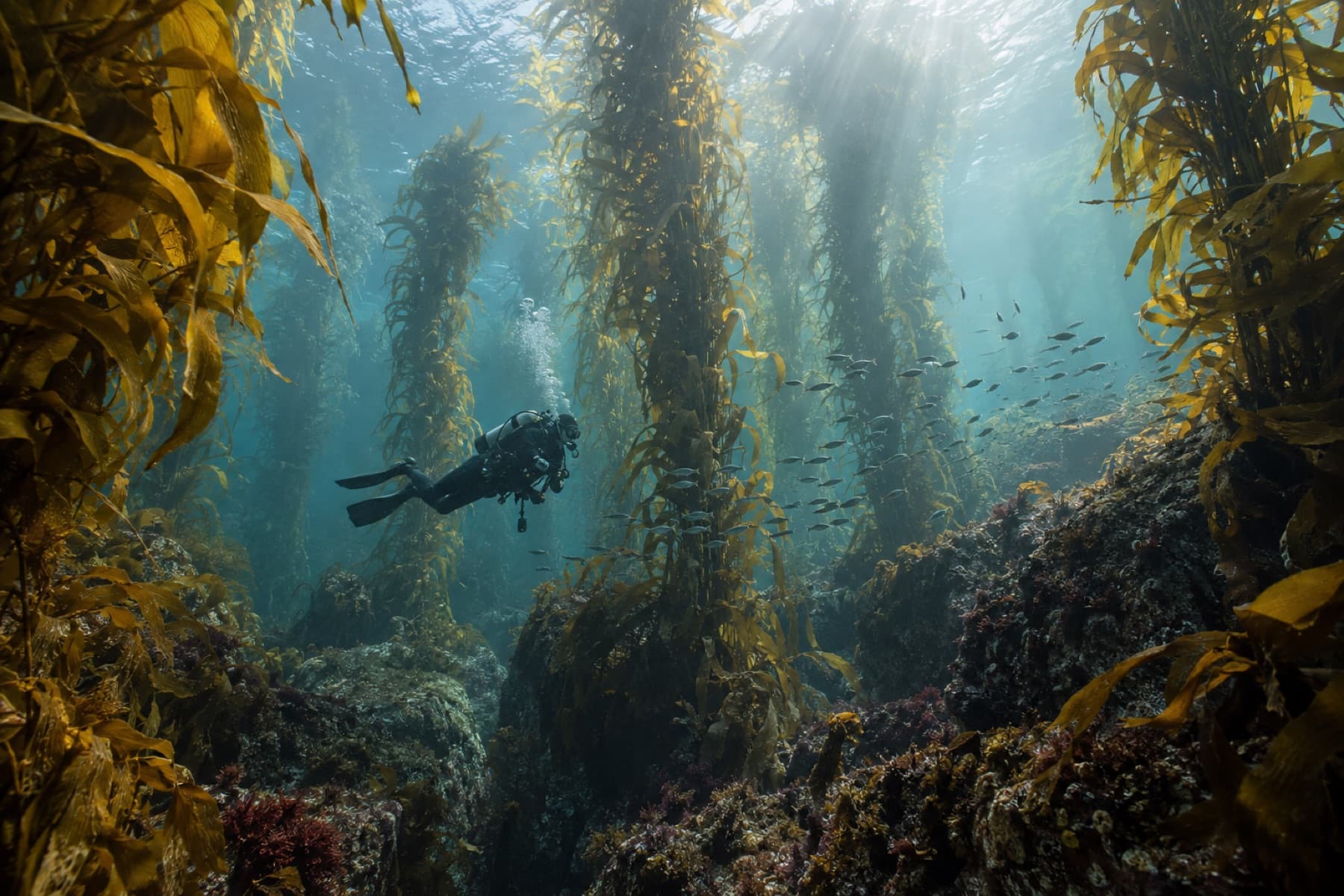 Drysuit DiverUsing a drysuit as a second buoyancy system — essential for serious cold-water diving in southern Australia.
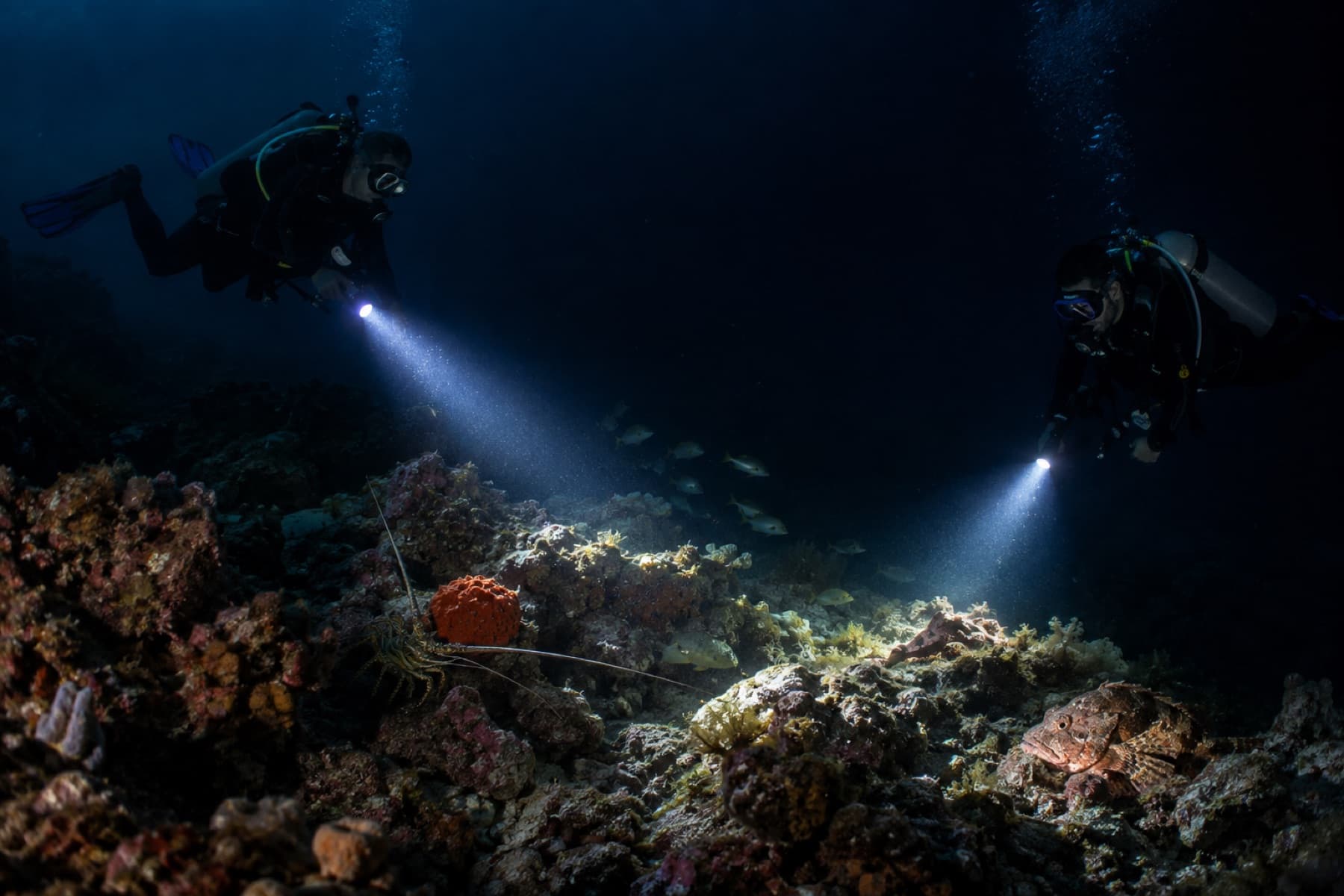 Night DiverDiving after dark, where familiar sites become completely different and nocturnal life emerges.Underwater NavigationFinding your way with a compass and natural references — essential for Australian shore diving.Drift DiverDiving with current rather than against it — a necessary skill for many of Australia's best sites.
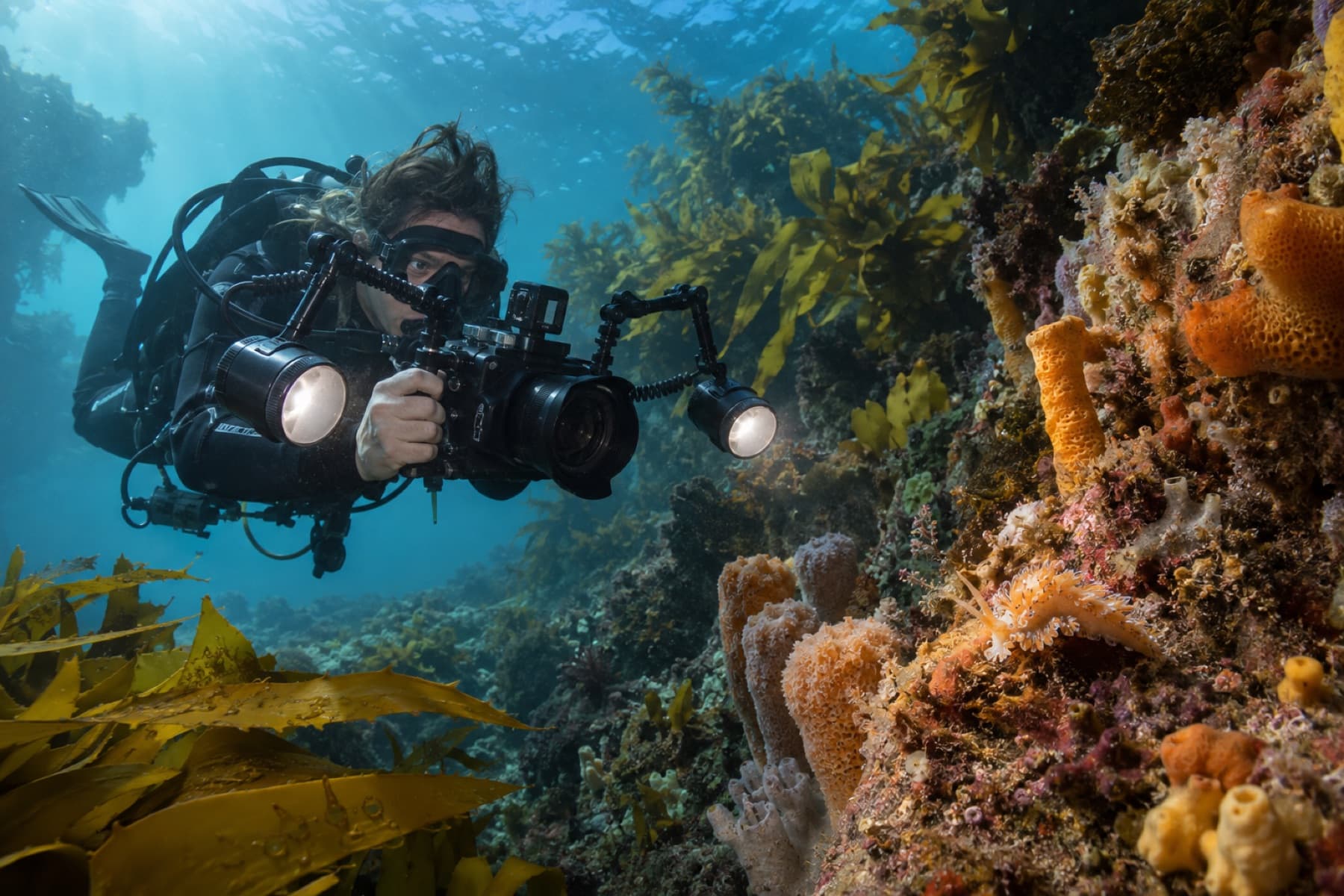 Underwater PhotographyTaking photographs that are worth keeping — which starts with buoyancy, not with a camera.Rescue DiverThe course most divers describe as the hardest and the most genuinely useful they have taken.Deep DiverExtending recreational limits to 40 metres, with the gas planning and narcosis awareness that requires.
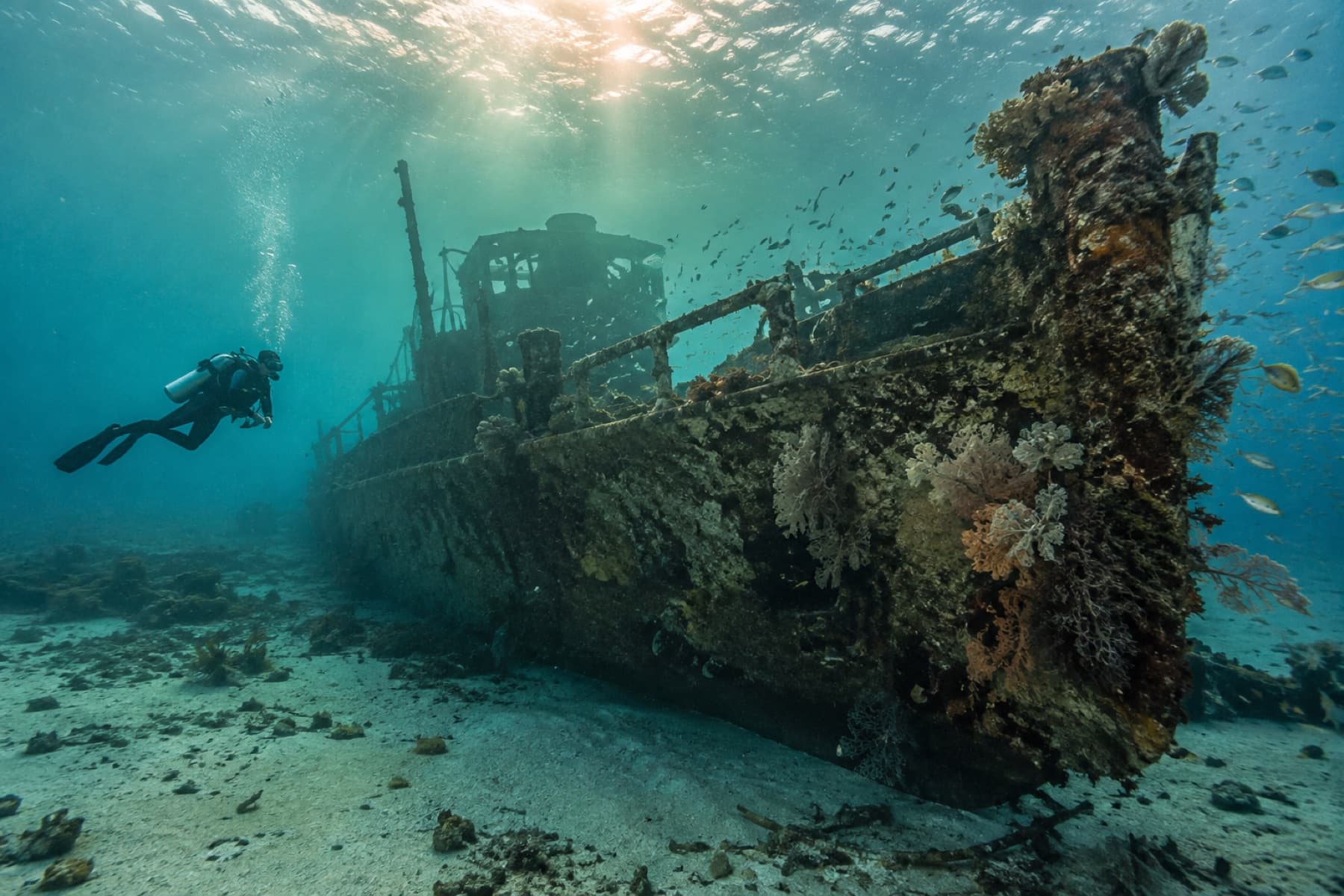
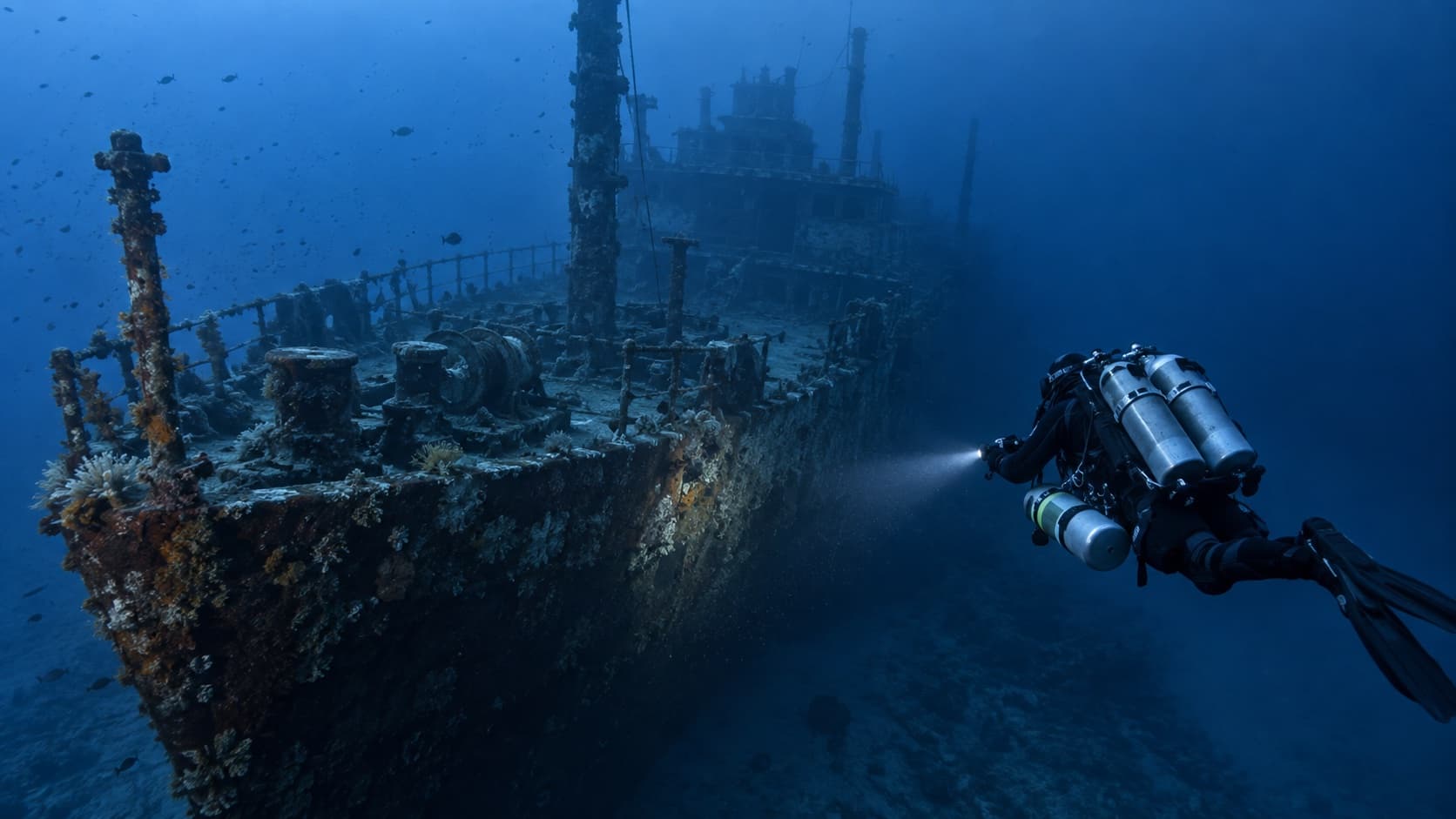 Wreck DiverDiving wrecks safely, and understanding where external touring ends and penetration begins.
Divemaster and instructor ratings. Worth taking for the competence even if you never intend to work in the industry.
Where recreational limits end. Decompression, overhead environments, mixed gas and rebreathers each require specific training and specific facility support.
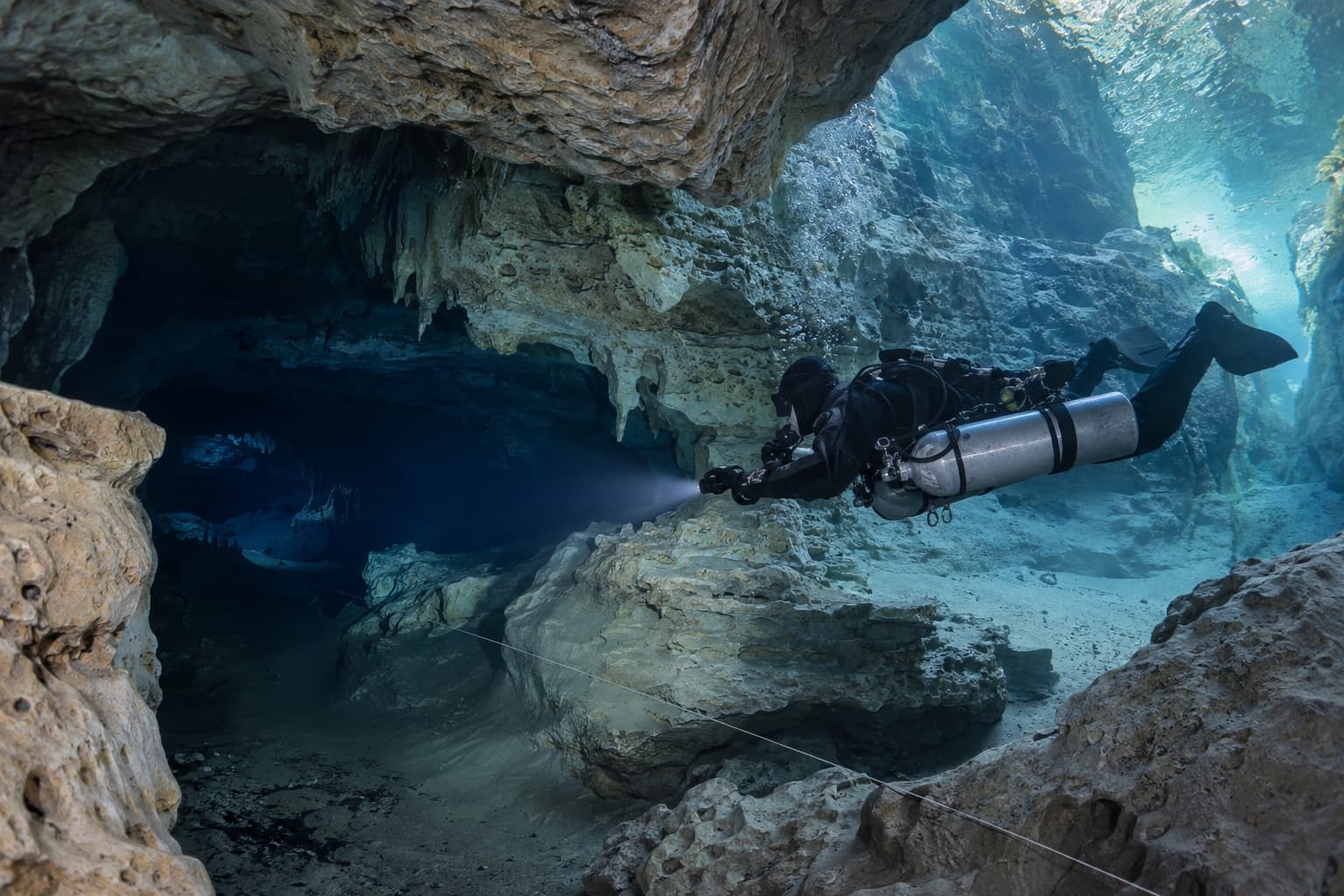 Cavern DiverDiving within the light zone of an overhead environment — the first genuine step into overhead training.Sidemount DiverCarrying cylinders at your sides — redundancy, streamlining and access through restrictions.Advanced NitroxHigh-oxygen decompression gases and oxygen-clean equipment — not ordinary recreational Nitrox.
 Decompression ProceduresPlanning and executing dives with a mandatory decompression obligation.Cave DiverFull overhead penetration diving, where direct ascent is not available at any point.Trimix DiverAdding helium to manage narcosis, oxygen exposure and gas density at depth.Closed Circuit Rebreather DiverRecycling breathing gas to extend duration, reduce bubbles and optimise oxygen exposure.
A separate discipline that shares the water — and, in Australia, shares several destinations people assume are scuba.
The same qualification goes by different names depending on who certified it. All of the major agencies’ recreational certifications are mutually recognised.